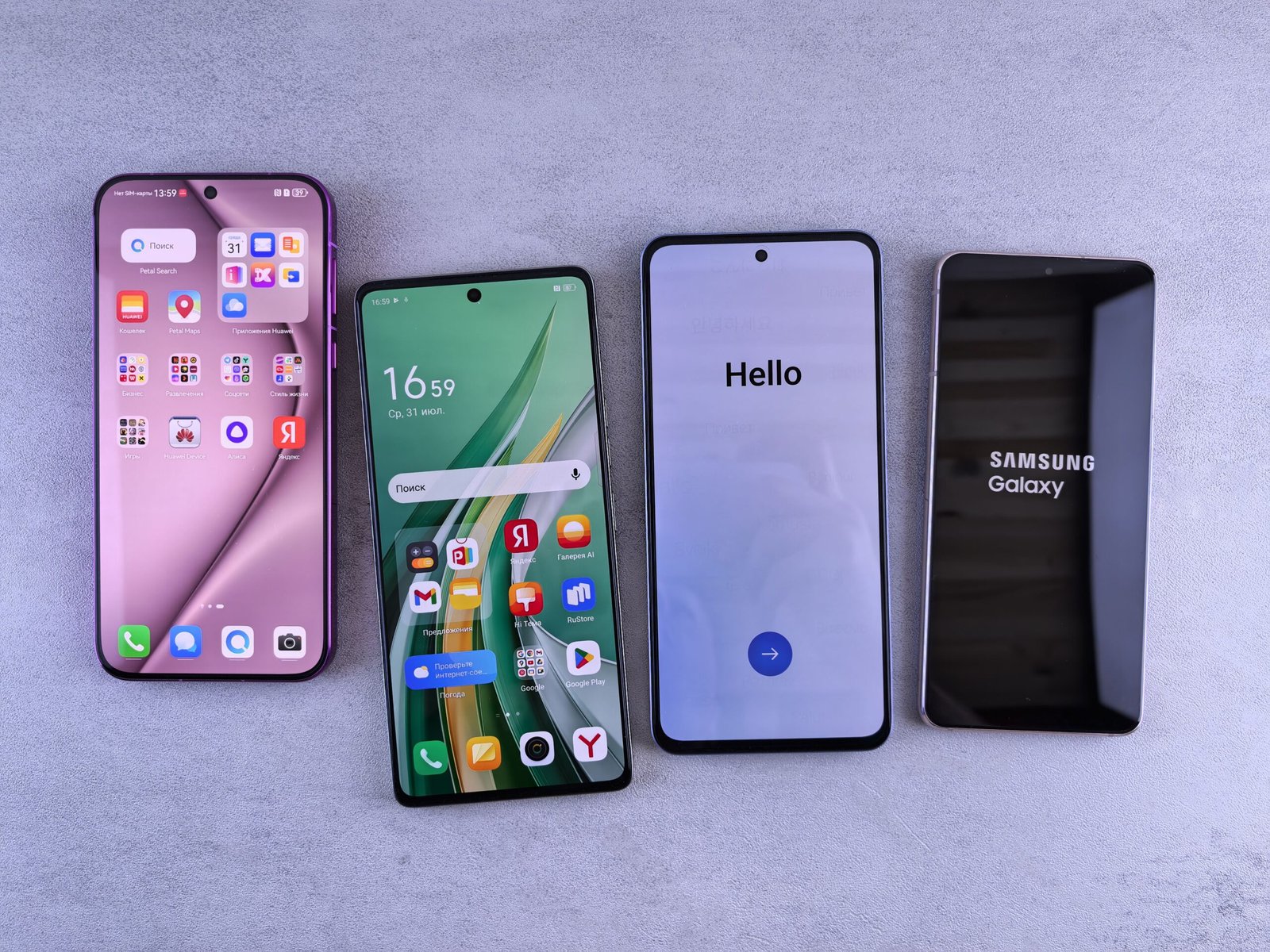
A friendly, no-pressure guide to choosing the phone that fits your life, not the one that wins internet arguments.
Few tech debates get people as fired up as iPhone versus Android. Walk into any group of friends and you’ll find strong opinions on both sides, usually delivered with great confidence. The truth is far less dramatic: in 2026, both platforms make excellent phones, and the right choice depends mostly on you, your habits, the people and devices around you, and your budget.
This guide is written for beginners and everyday buyers. We’ll explain the real differences in plain language, compare the things that actually matter, and finish with a simple way to decide. There’s no winner here, only a better fit for you.
Let’s make this decision easier.
The Short Version
If you want a quick answer before diving in:
- Choose an iPhone if you already use other Apple products, value simplicity and long-term support, want the easiest setup for family sharing and messaging, or prefer a polished, consistent experience.
- Choose an Android phone if you want more variety in price and design, more customization, a wider range of features like foldables, or the best phone you can get at a lower budget.
Both will do the basics brilliantly: calls, messages, photos, maps, streaming, banking, and social media. The rest of this guide helps you figure out where the differences matter for you.
What’s Actually Different?
The biggest difference isn’t any single feature. It’s the approach.
Apple makes the iPhone, its operating system (iOS), and much of its software. That tight control means the experience is consistent, updates reach everyone at once, and everything works smoothly with other Apple products.
Android is an operating system made by Google and used by many manufacturers, including Samsung, Google (with its Pixel phones), OnePlus, Motorola, Nothing, and others. That means more choice, more price points, and more variety in design and features, but also more differences from one brand to the next.
Think of it this way: buying an iPhone is like choosing a well-run, tidy hotel. Buying an Android phone is like choosing from a big city of options, from simple budget stays to luxury suites. Both can be wonderful, but they ask different things of you.
Comparing the Things That Matter
1. Price and Value
This is often the deciding factor.
- iPhones are sold in a smaller range of models, usually from a more affordable entry model up to premium Pro versions. Older models often stay on sale at lower prices, and Apple phones tend to hold their resale value well.
- Android phones span a much wider range, from inexpensive budget models to high-end flagships and foldables. If you want a capable phone at a low price, Android offers far more choice.
A useful tip: don’t only look at the sticker price. Consider how long you’ll keep the phone, what it might sell for later, and whether you’ll need to buy accessories.
2. Ease of Use
Both systems are easier than ever, but they feel different.
- iPhone: Known for simplicity and consistency. Features tend to be in predictable places, and the interface changes gradually.
- Android: Offers more flexibility. You can rearrange your home screen, change default apps, and adjust many settings. That’s wonderful if you like to tinker, but it can feel like more to learn at first.
If you want a phone that “just works” with minimal fuss, many beginners find the iPhone a gentle starting point. If you enjoy making things your own, Android is rewarding.
3. Software Updates and Longevity
How long a phone stays secure and up to date matters more than many people realize.
- Apple has a long track record of supporting iPhones with updates for many years, and updates arrive on all supported models at the same time.
- Android has improved dramatically. Google and Samsung now promise several years of updates, up to seven for some recent flagship models, but the promise varies by brand and model, especially for budget phones.
Before buying any phone, check how many years of security and OS updates the manufacturer promises. A longer promise means a phone that can serve you well for years.
4. Cameras
Both platforms take excellent photos in everyday situations. The differences are subtle and a matter of taste.
- iPhones are known for natural-looking video, consistent results, and strong performance for recording clips and social media.
- Android flagships, such as Google Pixel and Samsung Galaxy models, are often praised for smart photo processing, strong zoom, and helpful editing tools.
If photography matters to you, look at sample photos from the exact models you’re considering. Camera quality varies between models more than it does between platforms.
5. Privacy and Security
Both Apple and Google invest heavily in security, and both give you control over what apps can access.
- Apple emphasizes privacy as a selling point and offers clear permission prompts and tracking controls.
- Android also offers strong privacy tools, including permission controls and security checks, and the quality of protection depends partly on keeping your phone updated.
For most people, the best security habits matter more than the platform: install updates, use a strong passcode or biometrics, download apps only from official stores, and be careful with links and messages.
6. Apps and Services
Almost every popular app is available on both platforms, including banking, streaming, social media, and messaging. Some apps and games arrive on iPhone first, and a few are exclusive to Android, but for most people this isn’t a deciding factor.
What can matter more is the ecosystem around the phone:
- Apple’s services, such as iCloud, iMessage, FaceTime, and AirDrop, work especially well together.
- Google’s services, such as Gmail, Google Photos, Google Maps, and Google Drive, work on both platforms, which is great news if you live in Google’s world.
7. Customization
- Android wins for customization: custom launchers, widgets, icon packs, default apps, and deep settings.
- iPhone has added more personalization in recent years, like widgets and customizable lock screens, but it remains more structured.
If you love making your phone feel unique, Android has more room to play.
8. Hardware Variety
This is where Android shines. You can choose:
- Foldable phones that open into small tablets
- Phones with very large batteries
- Phones with fast charging and wireless charging options
- Rugged phones built for tough environments
- Compact or very large screens
The iPhone range is more focused. It’s easier to choose from, but there are fewer unusual options.
9. Battery and Charging
Battery life depends heavily on the specific model, screen size, and how you use the phone. Both platforms offer all-day battery on many models. Android phones often offer faster charging and more varied battery sizes, while iPhones are known for efficient performance and steady battery behavior. Check recent reviews of the model you’re considering for real-world battery tests.
10. Messaging and Staying Connected
This matters more than people expect, especially socially.
- iPhone-to-iPhone messaging through iMessage offers a smooth experience, including group chats and photo sharing.
- Between iPhone and Android, messages now work better than they used to thanks to RCS support, but some features, like certain group chat features, may still feel different.
- Third-party apps like WhatsApp, Signal, Telegram, and Instagram work the same across both.
If your family or friends are mostly on one platform, it may be worth considering what makes group chats and video calls easiest for you.
Think About Your Ecosystem
Your phone doesn’t live alone. It often connects to a watch, earbuds, tablet, laptop, car, and smart home devices.
- If you own a Mac, iPad, Apple Watch, or AirPods, an iPhone makes everything work together with almost no setup. Features like copying on one device and pasting on another, answering calls on your laptop, and sharing files nearby are very convenient.
- If you use Windows, Chromebooks, or Google services, an Android phone connects easily and works well with Google’s apps and services.
- If you own a Samsung tablet, watch, or earbuds, a Samsung Galaxy phone offers handy extras.
That said, you can mix and match. Many people use an iPhone with a Windows PC, or an Android phone with AirPods, and it works fine. The advantage of staying within one ecosystem is convenience, not necessity.
Switching Is Easier Than You Think
A common fear is being stuck with a platform. In reality, switching has become much simpler.
- Apple offers a tool to move data from Android to iPhone, covering contacts, messages, photos, and more.
- Google and Samsung offer tools to move data from iPhone to Android.
- Cloud services like Google Photos and iCloud can help with photos and files.
Before switching, make sure you back up your data, note which apps you pay for, and check whether any subscriptions are tied to your current platform. Apps you bought on one store usually have to be bought again on the other, though many are free or subscription-based and transfer with your account.
Who Should Buy an iPhone?
An iPhone is likely a good fit if you:
- Already use other Apple devices and want everything to work together
- Value simplicity and a consistent experience
- Want a phone that gets long-term software support
- Often use FaceTime, iMessage, or AirDrop with friends and family
- Plan to resell or trade in your phone later and want strong resale value
- Want a straightforward choice among a few well-defined models
Who Should Buy an Android Phone?
An Android phone is likely a good fit if you:
- Want more choice in price, size, and style
- Are shopping on a tighter budget
- Enjoy customizing your phone
- Use Google services heavily
- Are interested in a foldable phone or unique features
- Want a phone with very fast charging or a large battery
- Use a mix of non-Apple devices, like Windows computers
Which Android Phones Are Worth Looking At?
Because Android includes many brands, it helps to know a few well-known families. Lineups change every year, so check current models.
- Google Pixel: Made by Google and known for clean software, smart camera features, and long update support. The more affordable “a” models offer strong value.
- Samsung Galaxy S series: Samsung’s flagship line, offering polished design, bright displays, strong cameras, and long update support.
- Samsung Galaxy A series: More affordable Samsung phones that cover the basics well.
- Samsung Galaxy Z series: Foldable phones, including flip-style and book-style designs.
- OnePlus, Nothing, and Motorola: Brands that often offer interesting hardware or value at a lower price than the biggest names.
Which iPhone Should You Look At?
The iPhone lineup is simpler. In general:
- The standard iPhone models cover the needs of most people, with strong cameras, long battery life, and fast performance.
- Pro models add extras like more advanced cameras, better displays, and additional storage options, and cost more.
- More affordable models and previous-generation iPhones can offer great value if you don’t need the latest features.
Buying the previous year’s model is a smart way to save. Because Apple supports its phones for a long time, an older model can still be a very good choice.
Buying Tips for Any Phone
- Decide on a budget first. It narrows your options quickly.
- Choose enough storage. Photos and videos fill space fast. If you take lots of pictures, consider a larger option, and remember that cloud storage can help.
- Check the update promise. Look for how many years of security and software updates you’ll get.
- Compare carrier deals and trade-ins. Offers vary widely, and trade-in values can make a big difference. Read the terms carefully, since some deals require long payment plans.
- Buy from trusted sellers. Be careful with unusually cheap listings, which can be fake, refurbished without notice, or locked to a carrier.
- Consider a case and screen protector. They’re inexpensive and can prevent costly repairs.
- Think about repairs. Check warranty options and repair costs before you buy.
- Try it in person if you can. Size, weight, and feel matter more than specs.
Common Mistakes to Avoid
- Choosing based on peer pressure. Pick the phone that fits you, not the one your friends tease you about.
- Overpaying for features you won’t use. A mid-range phone is more than enough for most people.
- Ignoring the ecosystem. If you have an Apple Watch or a lot of Apple gear, consider how well your new phone will fit.
- Forgetting about updates. A cheap phone with a short update promise can become a headache sooner than expected.
- Skipping the backup before switching. Always back up first.
- Judging only by specs. Real-world performance and everyday comfort matter more than numbers.
Frequently Asked Questions
Is iPhone better than Android?
Neither is better in every way. iPhone is excellent for simplicity and ecosystem convenience, while Android offers variety, customization, and flexible pricing. The better phone is the one that fits your needs.
Which lasts longer, iPhone or Android?
Both can last many years. Apple has a strong history of long support, and top Android makers now promise up to seven years of updates on some models. Longevity also depends on build quality, battery health, and how you treat the phone.
Which is better for beginners?
Many first-time smartphone users find the iPhone simple, but modern Android phones are also easy to use. Choose based on which interface feels more comfortable when you try it.
Which has the better camera?
Both have outstanding cameras. Your choice depends on the style you prefer, the specific model, and how you use the camera. Compare sample photos from the exact models you’re considering.
Which is safer from viruses and scams?
Both are generally safe when you keep them updated and use official app stores. Most problems come from scams and suspicious links, not the platform itself, so stay alert and keep your phone updated.
Can I use an Android phone with a Mac, or an iPhone with Windows?
Yes. Many people do. You’ll miss some of the extra convenience features that come from using devices from one company, but the basics work well.
Should I buy the newest model?
Not necessarily. New models offer the latest features, but the previous generation is often cheaper and still excellent. If you don’t need the latest camera or chip, saving money is a smart move.
How much should I spend?
A mid-priced phone from a well-known brand is enough for most people. Spend more if you want the best camera, a foldable design, or top performance, and spend less if you mostly use your phone for calls, messages, and light browsing.
A Simple Way to Decide
If you’re still unsure, try this quick checklist. Count which statements sound more like you.
Leaning iPhone:
- My family and friends mostly use iPhones.
- I have a Mac, iPad, Apple Watch, or AirPods.
- I want the simplest possible setup.
- I want strong resale value.
Leaning Android:
- I want more choice in price and style.
- I like customizing my phone.
- I use Google services and Windows.
- I’m interested in features like foldables or very fast charging.
If the lists come out about even, either phone will make you happy. Choose the one that feels better in your hand and fits your budget.
Final Thoughts
The iPhone versus Android question can feel bigger than it is. In 2026, both platforms offer fast, secure, capable phones with excellent cameras and long-lasting support. An iPhone is a wonderful pick if you value simplicity, ecosystem convenience, and long-term polish. An Android phone is a great pick if you want choice, customization, and flexible pricing.
Whichever you choose, take your time, check the update promise, compare real reviews, and don’t feel pressured to buy the most expensive model. A phone should make your life easier, not add stress to it.
Here’s to finding the one that feels right.