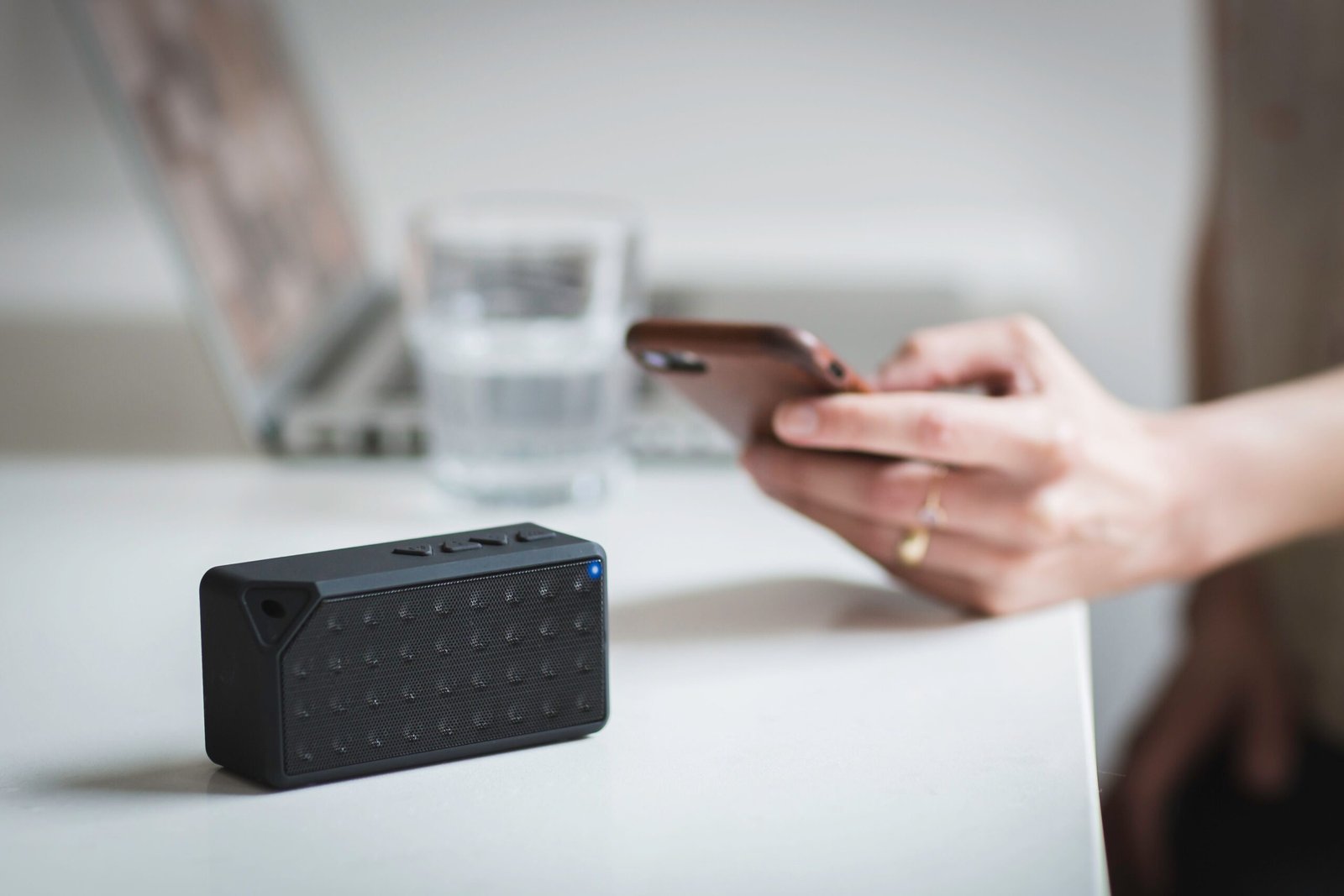
How to choose a speaker that sounds great, survives real life, and fits the way you listen.
A good portable Bluetooth speaker is one of those small purchases that keeps paying off. It turns a kitchen into a dance floor, makes a campsite feel cozy, and gives your favorite podcast a proper home in the bathroom. The trouble is that the market is crowded, and the product pages are packed with abbreviations that can make shopping feel like homework.
This guide is here to help. It is written for beginners, so we’ll explain the important terms in plain language, walk through what really affects sound and durability, and look at some well-regarded speakers for different needs and budgets. You’ll finish with a clear idea of what to buy, and what to ignore.
Let’s find you a speaker you’ll love.
Why a Portable Bluetooth Speaker?
Your phone or laptop speaker is built to be thin, not to sound good. A dedicated speaker has a larger enclosure, bigger drivers, and often a passive radiator or bass port, all of which add volume, fullness, and low-end punch.
Portable Bluetooth models add convenience on top of that:
- Wireless freedom: Pair with a phone, tablet, or laptop and play music from across the room.
- Battery power: Take it outdoors, to a friend’s place, or from room to room without hunting for an outlet.
- Built to travel: Many are water-resistant, dust-resistant, and tough enough for backpacks and beach bags.
- Simple to use: Switch on, pair once, and your device usually reconnects automatically afterward.
If you mostly listen at a desk, a wired or powered desktop speaker may sound better for the money. But for flexibility, a portable Bluetooth speaker is hard to beat.
What to Look For: A Beginner’s Checklist
Speaker specifications can look intimidating. These are the features that genuinely matter.
1. Sound Quality
Sound is personal, but a few traits are worth knowing.
- Clarity: Vocals and instruments should sound distinct, not muddy or harsh.
- Bass: Small speakers can only do so much, but good ones produce satisfying, controlled bass instead of a boomy rumble.
- Volume without distortion: A speaker that gets loud but turns shrill or crackly at high volume isn’t much help at a party.
- Stereo vs. 360-degree sound: Some speakers sound best when you face them. Others spread sound in every direction, which is great for gatherings where people sit all around.
The best way to judge is to read reviews from sources that describe how a speaker actually sounds, and to try one in a store if you can.
2. Battery Life
Manufacturers list battery life in hours, usually at moderate volume. Real use at high volume can be noticeably shorter.
- Around 8 to 12 hours: Fine for day trips and most home use.
- 15 to 24 hours or more: Better for camping, travel, and long weekends.
Also check how it charges. USB-C is the modern standard and means you probably already own a compatible cable. Some larger speakers can even act as a power bank to charge your phone, which is a nice bonus.
3. Water and Dust Resistance
Look for an IP rating, which describes protection from dust and water. Here’s a simple way to read it:
- IPX4: Handles splashes and light rain.
- IP67: Dust-tight and able to survive being submerged in shallow water for a short time. A solid choice for pools, beaches, and showers.
- IP68: Similar, with even stronger water protection.
The first digit is dust protection and the second is water protection. An “X” simply means the product wasn’t rated for that. A water-resistant speaker is not designed for deep or prolonged swimming, so rinse off salt or chlorine and let it dry.
4. Size and Weight
Bigger speakers generally sound fuller and play louder, but they’re heavier to carry. Think about where you’ll use it:
- Pocket or bag sized: Easy to carry everywhere. Sound is good for personal listening and small spaces.
- Mid-sized: The sweet spot for many people, balancing sound and portability.
- Large party speakers: Powerful and loud, but bulky and heavy.
5. Bluetooth Version and Audio Codecs
Bluetooth versions (like 5.0, 5.3, and newer) mostly affect connection stability and range. A recent version is nice, but you don’t need to obsess over the number.
Codecs are the methods used to send audio. Nearly all speakers support the basic one, SBC. Some also support AAC, which works well with iPhones, and a few support higher-quality options like aptX or LDAC for compatible Android devices. For most casual listeners, any of these sound fine.
6. Pairing Multiple Speakers
Many brands let you link two speakers for stereo sound or connect a whole group for a bigger party. Look for terms like PartyBoost, PartyUp, Auracast, or Stereo Pair. These features usually only work between speakers of the same brand or compatible models, so check before you buy.
7. Extra Features
These aren’t essential, but they can be nice:
- Built-in microphone for speakerphone calls
- Voice assistant support
- Wi-Fi in addition to Bluetooth, for higher-quality streaming and multi-room setups at home
- A companion app with an equalizer, firmware updates, and customizable lighting
- A carry strap or hook for hanging from a bag or tent
- A floating design, which is handy for pool days
Best Portable Bluetooth Speakers
Speaker lineups update regularly, and newer versions of these models may be available by the time you read this. Treat the picks below as families worth looking at, and always check current specifications, reviews, and prices.
Best All-Around Pick: JBL Flip Series
The JBL Flip line is a long-time favorite for a reason. These mid-sized, cylindrical speakers deliver clear, punchy sound, a rugged build, and an IP67 rating, so they handle splashes and dust with ease. They also support JBL’s PartyBoost feature for linking speakers.
Why it’s great: It offers a great balance of sound, size, durability, and price, and it’s widely available.
Things to know: Bass is solid for the size but won’t match a larger speaker. Check the exact model for its battery life and features.
Best for: Almost everyone, from first-time buyers to seasoned listeners.
Best for Bigger Sound: JBL Charge Series
The JBL Charge speakers are a step up in size and power. They deliver fuller sound and longer battery life, and they can charge your phone through a USB port. They’re also rated IP67.
Why it’s great: It’s loud, rich, and built for long days outdoors, with enough battery to keep a party going.
Things to know: It’s heavier and larger than the Flip, so it’s less pocket-friendly.
Best for: Backyard gatherings, camping trips, and people who want more bass and volume.
Best for Pool and Beach: Ultimate Ears Wonderboom and Boom Series
Ultimate Ears makes colorful, rugged speakers that project sound in 360 degrees. The compact Wonderboom is well known for being waterproof and able to float, while the larger Boom and Megaboom models offer more volume and fullness.
Why it’s great: The 360-degree sound is perfect when people are gathered all around, and the floating design is great for water.
Things to know: The sound is fun and lively rather than studio-accurate, and the larger models cost more.
Best for: Pool parties, beach days, and casual group listening.
Best Sound for the Size: Bose SoundLink Flex
The Bose SoundLink Flex is a compact, rugged speaker with a reputation for clear, balanced sound that seems larger than its size. It’s rated IP67 and has a built-in microphone for calls. Bose also makes smaller and larger SoundLink models, so explore the family.
Why it’s great: It sounds polished and natural, and its tough, simple design works well at home or outdoors.
Things to know: It typically costs more than similar-sized rivals, and it lacks the fancy lights some people enjoy.
Best for: People who care most about clear, pleasant sound.
Best Smart Pick: Sonos Roam Series
The Sonos Roam is a small speaker that works over both Bluetooth and Wi-Fi. At home, it joins your Sonos system and can play in sync with other Sonos speakers. Away from home, it switches to Bluetooth. It has an IP67 rating and a compact, travel-friendly shape.
Why it’s great: It’s a flexible two-in-one: a smart home speaker and a portable one.
Things to know: It costs more than a basic Bluetooth speaker, and its best features shine if you already use or plan to use Sonos at home.
Best for: People who want one speaker for both indoor and outdoor listening.
Best Budget Pick: Anker Soundcore Series
Anker’s Soundcore speakers have earned a strong reputation for offering a lot of features at a modest price. Many models are water-resistant, offer long battery life, and include an app with an equalizer. The range runs from tiny travel speakers to larger party models.
Why it’s great: It delivers good sound and useful extras without a premium price.
Things to know: Quality varies between models, so read reviews for the specific speaker you’re considering.
Best for: Budget-conscious shoppers, students, and anyone buying their first Bluetooth speaker.
Best Tough Value: Tribit StormBox Series
Tribit’s StormBox speakers are known for strong sound, solid battery life, and rugged builds at friendly prices. Some models are rated IP67 and are designed to withstand outdoor use.
Why it’s great: It offers impressive value, especially for outdoor listening.
Things to know: The brand is less familiar than the big names, so check warranty details and recent reviews.
Best for: Budget-minded outdoor lovers who want loud, durable sound.
Best Stylish Pick: Marshall Emberton Series
Marshall’s portable speakers have a vintage-amp look and a rich, warm sound. The compact Emberton models offer a good balance of style, sound, and portability, and have an IP67 rating.
Why it’s great: It looks great on a shelf and sounds full and lively for its size.
Things to know: It’s pricier than many rivals, and you’re partly paying for the design.
Best for: Music lovers who want their speaker to look as good as it sounds.
Best for Big Gatherings: Large Party Speakers
If you often host large groups or play music outdoors, consider bigger models like the JBL Xtreme and PartyBox lines or Sony’s larger outdoor speakers. These speakers pack serious power, deep bass, and long battery life, and many include lighting effects, microphone inputs, and guitar inputs.
Why it’s great: They fill big spaces with loud, rich sound.
Things to know: They’re large, heavy, and more expensive, and they’re overkill for personal use.
Best for: Parties, backyards, tailgating, and events.
Quick Comparison: Which Speaker Fits You?
- “I want one speaker that does everything well.” A JBL Flip.
- “I want more bass and volume for gatherings.” A JBL Charge.
- “I’m taking it to the pool or beach.” An Ultimate Ears Wonderboom.
- “I care most about natural, clear sound.” A Bose SoundLink Flex.
- “I want a speaker for home and travel.” A Sonos Roam.
- “I’m on a tight budget.” An Anker Soundcore or Tribit StormBox.
- “I want something stylish.” A Marshall Emberton.
- “I host big parties.” A large JBL or Sony party speaker.
How to Get the Best Sound From Your Speaker
A few simple habits can make any speaker sound better.
- Placement matters. Putting a speaker near a wall or in a corner boosts bass. Placing it on a shelf or table, away from clutter, usually sounds clearer.
- Raise it up. Sound travels best when the speaker is closer to ear level. Setting it on the floor can make it sound muddy.
- Don’t max out the volume. Pushing a speaker to 100 percent can cause distortion. Turning it down a notch or two often sounds cleaner.
- Use an equalizer if available. Companion apps often let you adjust bass and treble to suit your taste or room.
- Try stereo pairing. Two speakers placed apart can create a wider, more immersive sound.
- Use good source files. A low-quality stream or old compressed file will sound worse on any speaker. Higher-quality streaming settings can make a real difference.
Taking Care of Your Speaker
A little care helps your speaker last for years.
- Charge it regularly. If you won’t use it for a long time, keep the battery around half charged instead of fully empty.
- Rinse after exposure. If it gets sand, salt, or chlorine on it, rinse it with fresh water and let it dry. Make sure the charging port is dry before plugging it in.
- Keep it out of extreme heat. A hot car can damage the battery and the speaker.
- Update the firmware. Updates through the companion app can fix bugs and improve performance.
- Avoid very high volumes for long periods. It’s easier on the speaker, and on your ears.
Common Beginner Mistakes to Avoid
- Buying on battery life alone. A long-lasting speaker that sounds thin won’t make you happy.
- Ignoring water ratings. If you’ll be near water, look for IP67 or higher.
- Assuming bigger is always better. A large speaker might be too heavy and bulky for how you actually listen.
- Overlooking pairing features. If you might want a second speaker later, choose a brand with good pairing options.
- Skipping reviews. Specifications don’t tell the whole story. Real-world impressions of sound quality are essential.
- Falling for suspiciously cheap deals. Be cautious with unknown brands and unusually low prices, which can mean poor quality or fake products.
Frequently Asked Questions
How long do portable Bluetooth speakers last?
With decent care, many last several years. The battery is usually the first part to weaken, and it slowly holds less charge over time. Some brands offer replaceable or repairable designs, but many don’t.
Is Bluetooth good enough for great sound?
For most people, yes. Modern Bluetooth and common codecs deliver very good sound on portable speakers. Differences between codecs are subtle and often smaller than the differences between speakers themselves.
What’s the difference between Bluetooth and Wi-Fi speakers?
Bluetooth connects directly to your device and works almost anywhere. Wi-Fi speakers connect through your home network, often offering higher-quality streaming and multi-room features, but they need a network to work fully. Some speakers, like the Sonos Roam, offer both.
Can I use a Bluetooth speaker for calls?
Many have built-in microphones and work as speakerphones. They’re handy for casual calls, but the microphone is usually not as good as a headset’s.
Can I connect two speakers together?
Often, yes. Many brands support stereo pairing or multi-speaker party modes. Check that the models you want are compatible with each other.
How much should I spend?
You can find a good small speaker at a modest price, and spending more generally buys larger size, fuller sound, and extra features. A mid-priced speaker from a well-known brand is a safe choice for most beginners.
Why does my speaker sound different on my phone and laptop?
Settings like volume limits, equalizer presets, and audio quality can differ between devices. Check the sound settings on both, and try the speaker’s own app if it has one.
Final Thoughts
Choosing a portable Bluetooth speaker doesn’t need to be complicated. Start by thinking about where you’ll use it, how much sound you need, and whether it will be near water. From there, the options narrow quickly. For most people, a mid-sized, water-resistant speaker like a JBL Flip or Bose SoundLink Flex is a wonderful all-purpose choice. If you want more bass for gatherings, a JBL Charge or a larger party speaker fits the bill. And if you’re watching your budget, Anker Soundcore and Tribit offer a lot of value.
Whatever you choose, remember that the best speaker is the one that fits your life and that you actually enjoy using. Take your time, read a few reviews, and trust your ears.
Here’s to great music wherever you go.
Leave a Reply